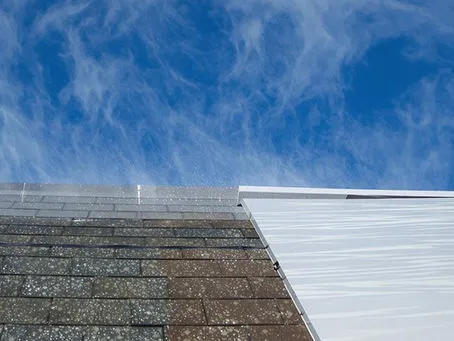
Understanding Tile Roofing Materials
Tile roofing comes in different materials: clay tiles (classic, earthy vibe), concrete tiles (cheaper, can mimic clay or wood), slate (durable, natural beauty, heavy and expensive), and composite tiles (recycled materials, lightweight and durable).
Benefits: Lasts 50 to 100+ years, fire-resistant, great at keeping your house cool by reflecting sunlight, and boosts curb appeal.
Common issues: Cracked or broken tiles from falling branches or wear, algae and moss growth in damp areas, and underlayment deterioration leading to leaks.
Essential Tools For Tile Roofing Maintenance
Cleaning Tools: Garden hose with adjustable nozzle, soft-bristled brush with extension pole (avoid pressure washers), buckets for mixing solutions, sponges for spot cleaning, leaf blower for dry debris.
Safety Equipment: Sturdy ladder, non-slip shoes, safety harness and rope system, gloves, eye protection. Never attempt roof work without proper safety gear.
Inspection Tools: Binoculars for hard-to-reach areas, small trowel or putty knife, camera for documentation, measuring tape, moisture meter.
Regular Cleaning Practices For Tile Roofing
Removing Debris: Use a leaf blower carefully, a soft-bristled brush, and don't forget to check the valleys for build-up. This is important because debris can trap moisture and cause problems.
Washing Techniques: Use a garden hose with spray nozzle, work from top to bottom, avoid spraying directly upwards under the tiles.
Safe Cleaning Solutions: Mild dish soap and water is usually fine. Consider specialized roof cleaning solutions. Always test in an inconspicuous area first.
Inspecting Your Tile Roof For Damage
Look for: faded color (sun damage), discoloration (algae, moss, or other growth), chipped edges (weather or falling debris), sagging areas (underlayment problems).
Cracks are a big deal. Even small ones can let water in. Scan the roof with binoculars, pay special attention to edges and corners.
Loose tiles might be slightly out of place or rattle in the wind. If a tile moves more than it should, it needs fixing.
Seasonal Maintenance Tips For Tile Roofing
Preparing For Winter: Clear leaves and debris from valleys and around flashing. Check for loose or damaged tiles before the first freeze. Inspect gutters and downspouts.
Spring Cleaning: Look for cracked or broken tiles, loose flashing, algae or moss growth. Clean with a soft brush and gentle spray nozzle. Avoid high-pressure washers.
Summer Heat: Prolonged high temperatures can cause tiles to become brittle. Check for fading or discoloration. Ensure proper attic ventilation to reduce stress on tiles.
Preventing Algae And Moss Growth
Algae looks like dark green or black stains (sometimes slimy). Moss is thicker, like a green carpet, holding moisture.
Preventative Measures:
- Keep roof clean -- regularly remove leaves and debris
- Trim overhanging trees for less shade and moisture
- Install zinc or copper strips near the roof ridge
Cleaning Solutions: Mild bleach solution (1 part bleach to 3 parts water), commercial roof cleaners, or zinc sulfate for moss. Always test on a small area first.
Repairing Damaged Tiles
Types of Repairs: Cracked tiles (can let water in), broken tiles (need ASAP replacement), loose tiles (re-secure early), missing tiles (replace right away).
DIY Tips: Always wear safety gear, try to find matching replacement tiles, use proper tools (pry bar, hammer, roofing nails), and secure new tiles properly.
When To Replace: Extensive damage, water damage to underlayment beneath, or when tiles are deteriorating from age.
Maintaining Roof Flashing And Valleys
Without proper flashing, you're basically inviting leaks and water damage. Flashing directs water away from vulnerable areas where the roof meets walls, chimneys, and valleys.
Inspect valleys for debris buildup, cracked or missing tiles, and damaged or corroded flashing.
Repairing Flashing: Minor corrosion can be cleaned and painted with rust-inhibiting primer. Loose flashing can be re-nailed. Severely damaged flashing should be replaced by a professional.
Tile Roofing Maintenance In Mesa, AZ
The Arizona sun bakes everything, leading to fading and weakening of tiles over time. Monsoon season brings heavy rains and strong winds. Temperature swings cause expansion and contraction.
Common Local Issues: Cracking from temperature changes, efflorescence (white powdery residue), and algae/moss growth in shaded areas after monsoon season.
Local contractors understand the specific challenges posed by the Arizona climate. Get multiple quotes, check references, and verify license and insurance.
